
What is
?
Everyone EATS (Edible Atlas Through Sequencing) is a citizen science project and an extension of the lab’s genomic research. It was born out of a desire to grow our database of plant and animal species and to boost public-facing engagement by recruiting participants from across the U.S.
THE PREMISE
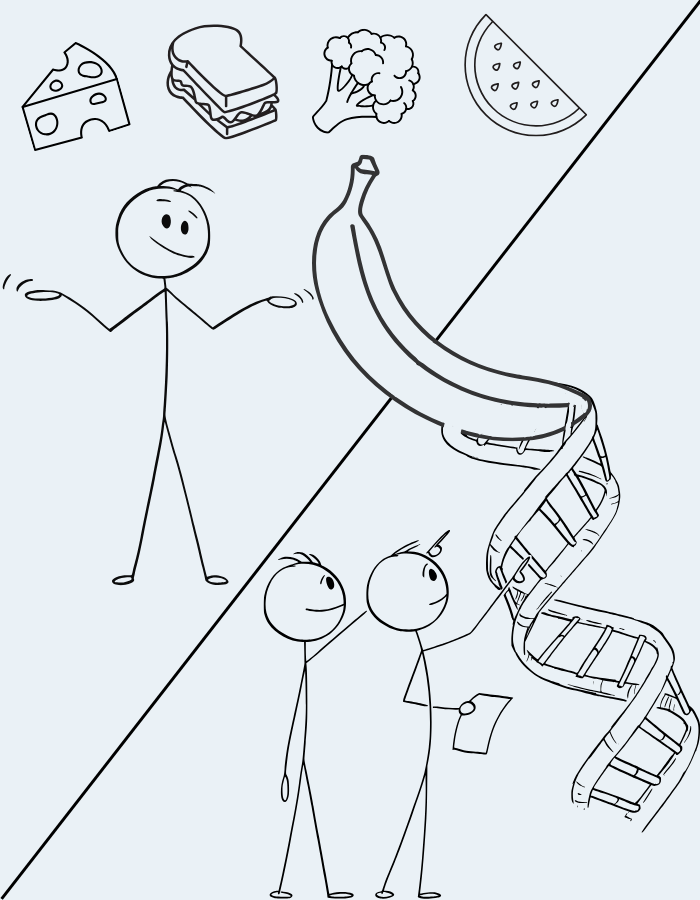
At the core of Everyone EATS is a seemingly simple question: Do you know what you ate yesterday? As it turns out, most people can’t accurately remember the foods (not to mention all the ingredients) they consumed in just the past 24 hours. Food diaries and surveys have long been considered the gold standard in measuring diet, but these methods are prone to error and also exclude people who might not have the time, access, or cognitive ability to participate.
THE GOALS
To address these challenges, Edible Atlas launched its own citizen science project with the aim of applying FoodSeq to individual stool samples through a remote, non-clinical platform and subsequently providing participants with a personalized dietary report. The data gleaned from these samples would also help grow the FoodSeq reference database of identified plant and animal species.
THE POOP PIPELINE
Everyone EATS required not only active recruitment but also logistical finesse. In the wet lab, scientists analyzed samples and collated the data into user-friendly reports. Additionally, team members had to streamline the sign-up process, establish privacy and consent protocols, manage the mailing and receiving of kits, and field questions from participants, among other administrative duties.
THE NUMBERS
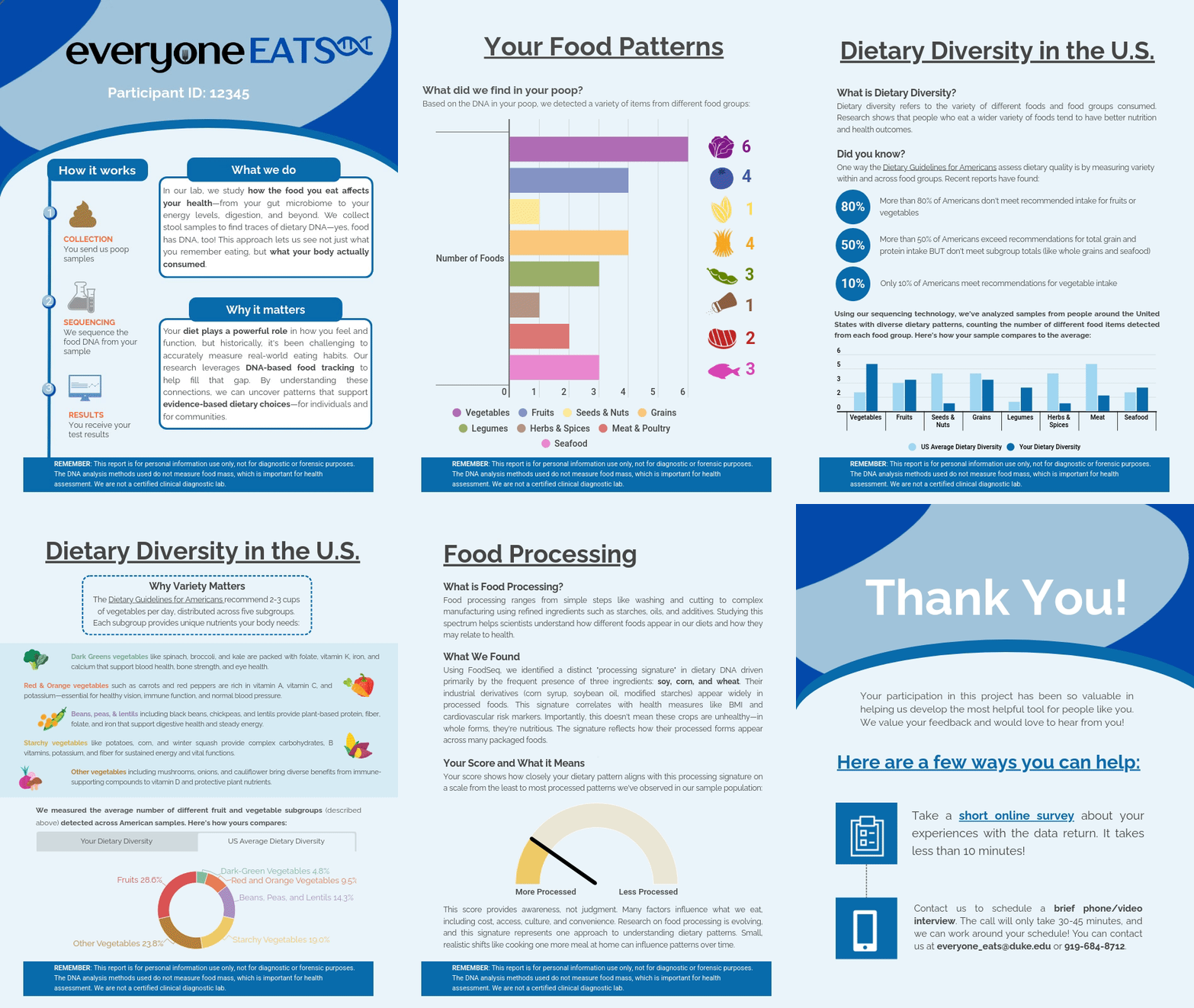
During the eight-month pilot run, 121 people enrolled in the study, 111 completed the baseline survey, and 80 submitted fecal samples, which were then analyzed and translated into a Diet Data Return Report (DDRR). All 80 opened their personalized reports, with roughly 98 percent viewing it more than once and 76 percent engaging with the interactive content.
When asked, 8 out of 10 participants cited both curiosity about their own eating habits and a desire to support broader research goals as key motivators.
THE TAKEAWAYS
Unlike the Community Wastewater Project, which reveals population-level eating patterns, the most valuable insights from Everyone EATS relate to individual engagement and communication. Understanding how to pique interest in personalized genomics and then translating individuals' data into an approachable and interesting format are at the heart of impactful precision medicine.
While our DDRR layout focused on dietary diversity, future iterations could benefit from linking FoodSeq to other relevant datapoints such as macronutrients, calories, clinical risk scores, and more as the technology evolves.

THE FUTURE
Everyone EATS has suspended its participant recruitment, but the long-term goal is to adapt the technology and workflow for clinical applications, whether it’s dietitians helping patients improve their eating habits, physicians advising GLP-1 users on potential nutrient deficits, researchers uncovering new dietary links in IBD and other GI disorders, or hospitals optimizing food protocols.
We’re also compiling a report on our experiences establishing and scaling Everyone EATS. The hope is that these insights will encourage future dietary genomics projects, particularly those that collect personal data, to generate individual reports that empower participants to make more informed health decisions.