
Community
Wastewater
Project
In recent years, Edible Atlas has adapted its core FoodSeq technology to study diet via wastewater. FoodSeq-FLOW (Food Landscape Observation in Wastewater) transforms municipal wastewater into a real-time window into what communities are eating.
HOW IT STARTED
The first round of samples was collected in 2020, a time when the pandemic was spurring municipalities to track COVID-19 levels. That same wastewater-monitoring infrastructure has, in turn, helped move our research forward. In 2021, our team was able to validate FoodSeq-FLOW by cross-checking the data with individual stool samples, which uses the standard FoodSeq protocol.
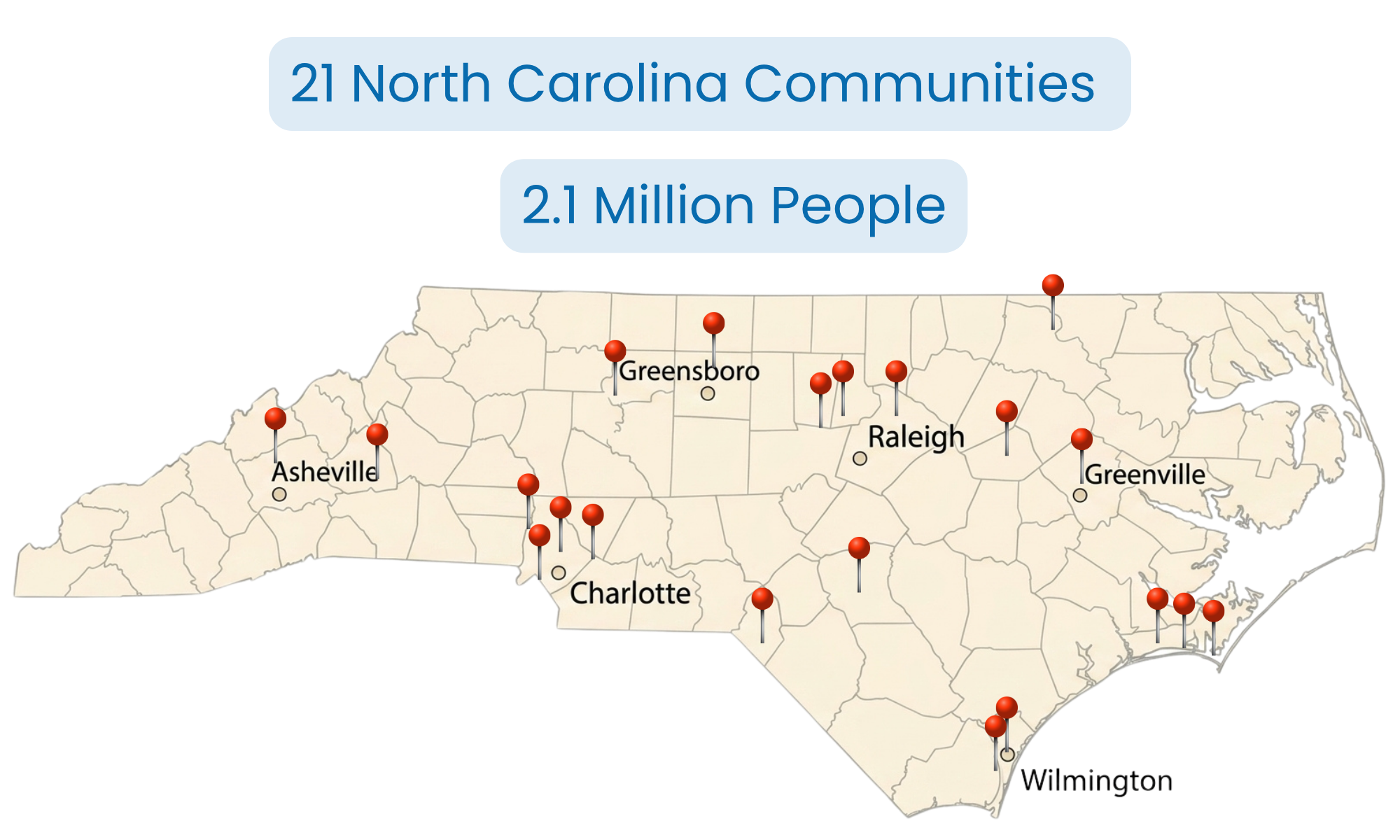
To date, we have collected and analyzed wastewater from 21 North Carolina communities, encompassing an estimated 2.1 million people. A comprehensive overview of this project (including a selection of fascinating socioeconomic findings from the data) can be found in the Proceedings of the National Academy of Sciences. Major news outlets, including The New York Times and Science Friday, have covered this research, exploring FoodSeq-FLOW’s potential as a scientific methodology as well as a tool for positive change.
Our findings
Even in its early stages, the Community Wastewater Project has already revealed fascinating trends. Some validate seemingly “obvious” correlations (e.g., people eat more turkey around Thanksgiving; coastal communities consume more wild-caught fish) that have previously been unsubstantiated by hard data. Others, such as the relationship between income and alcohol consumption, are more surprising.
As we continue deploying FoodSeq-FLOW in North Carolina and beyond, we’ll uncover even more insights into dietary patterns.
Fish Tales
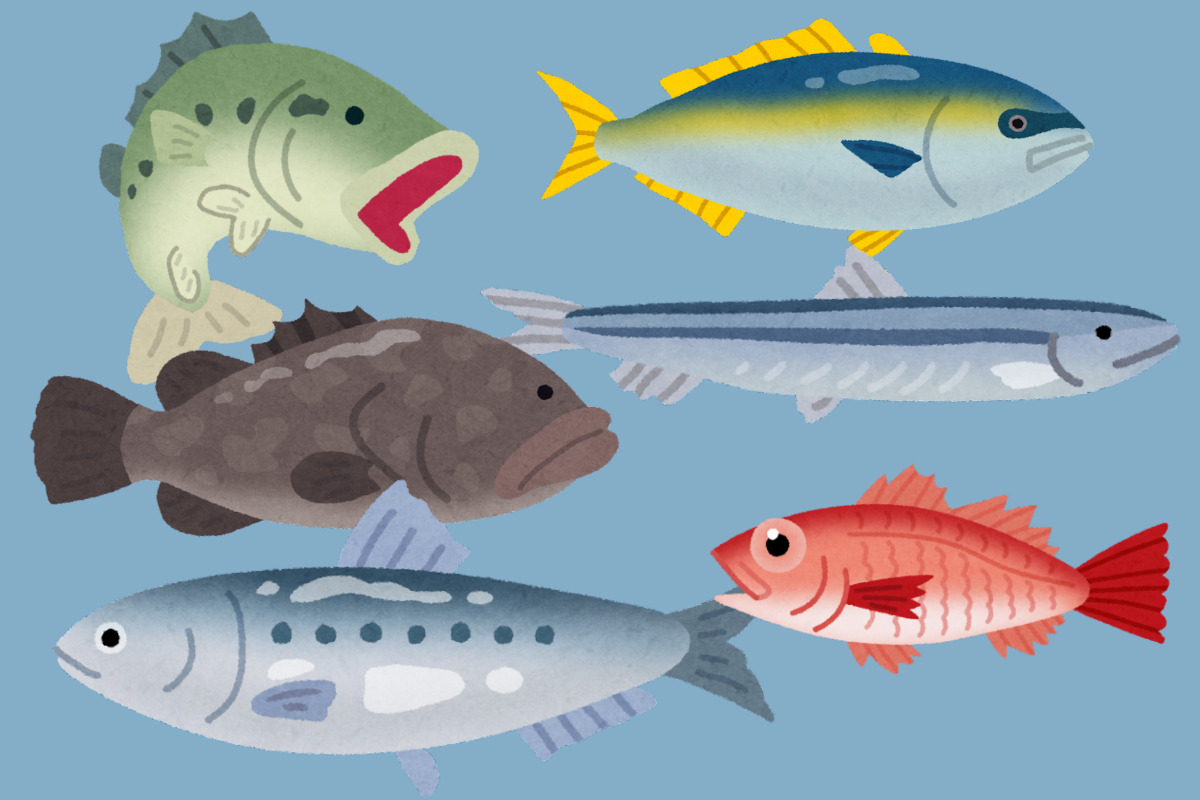
The closer people are to the coast, the more likely they are to eat locally caught fish. In North Carolina, species like Spanish mackerel, mahi-mahi, and bluefish are prevalent in the diets of coastal communities. Farther inland, however, farmed species like Atlantic salmon and tilapia tend to dominate seafood reads.
Hop to It
Hops and barley are more prevalent in wastewater from high-income urban communities. This could indicate a correlation between discretionary spending and consuming fermented craft drinks. Or, it might simply suggest a higher concentration of breweries and bakeries in a certain geographic area.
Global Flavor
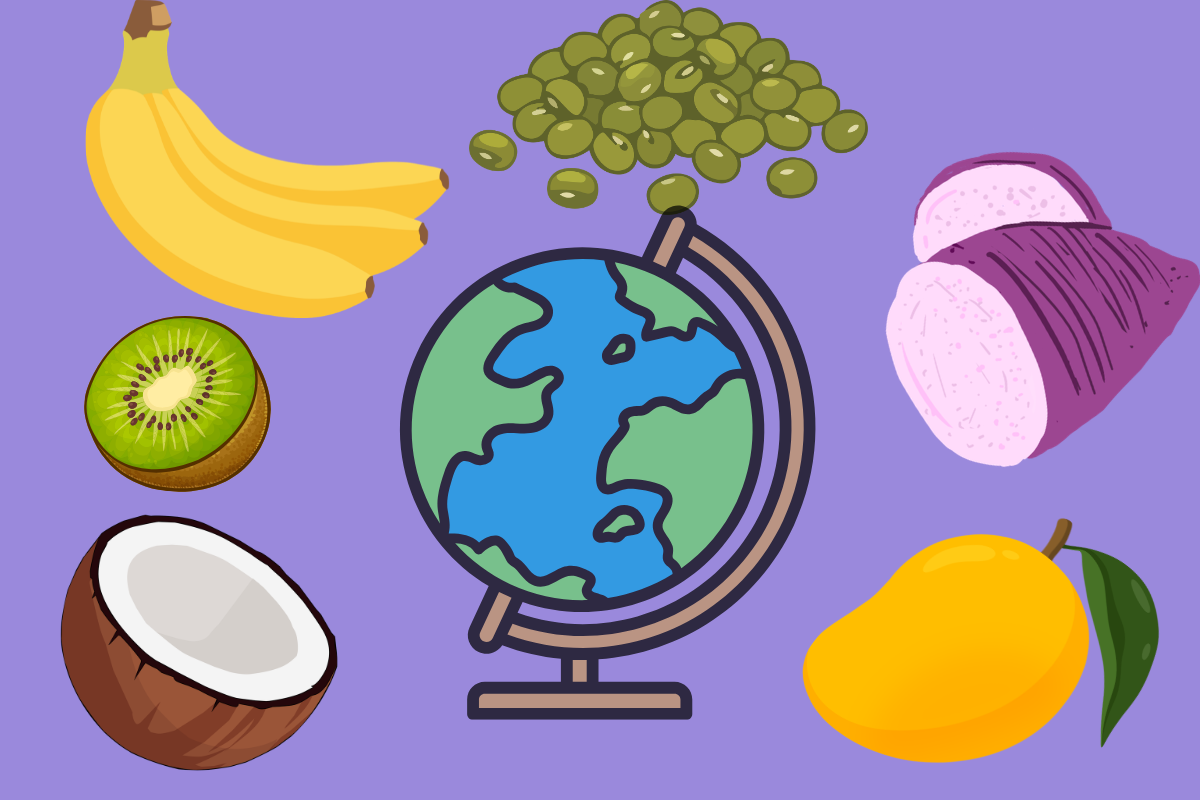
Certain foods can be a signal of culture and demographics. For example, high concentrations of non-native species of tropical fruits, like mangoes and coconuts, and pulses, like mung beans and chickpeas, coincide with foreign-born and South Asian communities.
In Season
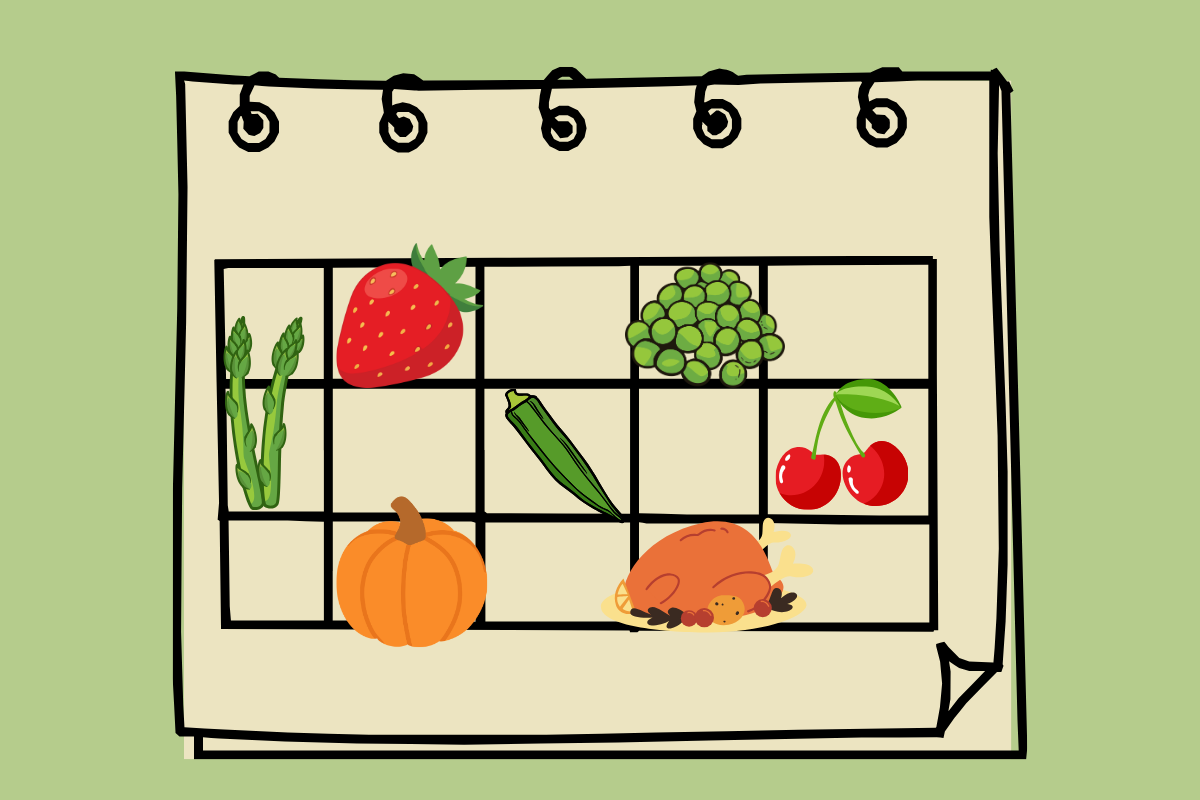
Just as the seasons impact food production, so too do they influence when people consume certain foods. Plants like blueberries, asparagus, and okra peaked in the summer, while cabbage and citrus had higher concentrations in the fall and winter. Also noteworthy: Turkey, a holiday staple in the U.S. spiked in the November and December months.